Electricity tariffs keep climbing every year, and high-rise residential societies are among the biggest consumers of common-area power — lifts, corridor lighting, water pumps, and clubhouse facilities all add up to a hefty monthly bill. That's why more and more housing societies are turning to solar panels for high-rise buildings as a practical way to cut costs and future-proof their energy supply.
If your management committee is weighing the switch, here are the top five benefits of going solar in 2026, along with what to expect from installation to long-term savings.
1. Significant Reduction in Common Area Electricity Bills
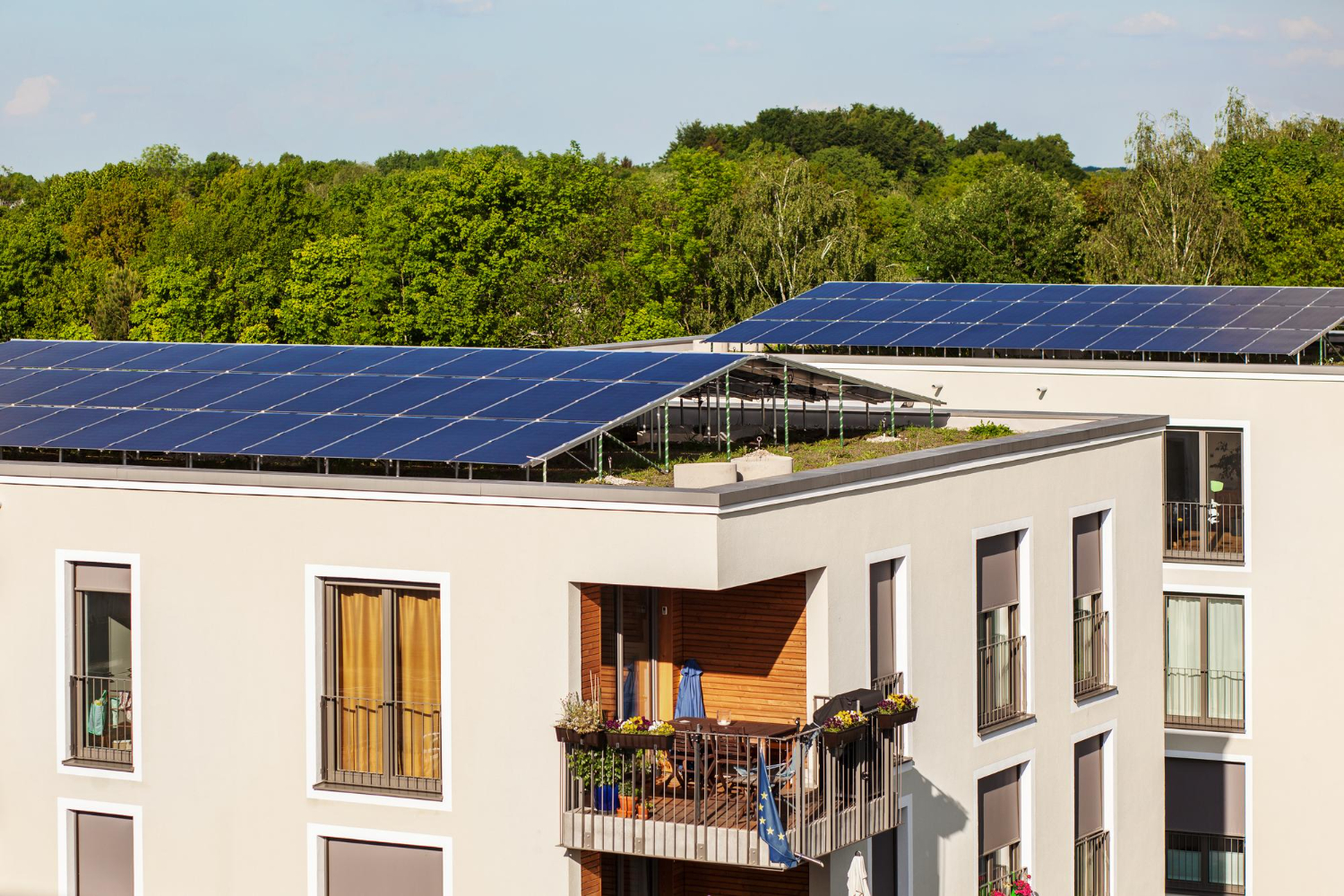
The most immediate benefit of solar energy for apartments is lower recurring costs. Rooftop solar systems installed on high-rise societies typically offset 60–90% of common-area electricity consumption — covering lifts, pumps, corridor and garden lighting, and clubhouse power. With grid tariffs rising every year, locking in a fixed, predictable energy cost through solar is one of the smartest renewable energy trends 2026 for residential communities.
2. Attractive ROI and Government Subsidy Support
Solar panel installation for housing societies is more affordable than ever, thanks to schemes like the PM Surya Ghar Muft Bijli Yojana, which extends central financial assistance to group housing societies and RWAs installing grid-connected rooftop systems. Combined with falling panel prices, most societies recover their investment within 4–5 years and then enjoy dramatically reduced power costs for the remaining 20+ years of the system's life. For a society evaluating the numbers, understanding the rooftop solar cost for residential societies — and the subsidy caps available — is the first step toward a sound financial decision.
3. Higher Property Value and Resale Appeal
A solar-equipped building is increasingly seen as a premium, future-ready asset. As energy costs rise and green-building awareness grows among buyers and tenants, apartments in solar-powered societies tend to command better resale and rental value. It's a benefit that goes beyond the monthly bill — it's an investment in how desirable your property remains over the next decade.
4. Low Maintenance and Long-Term Reliability
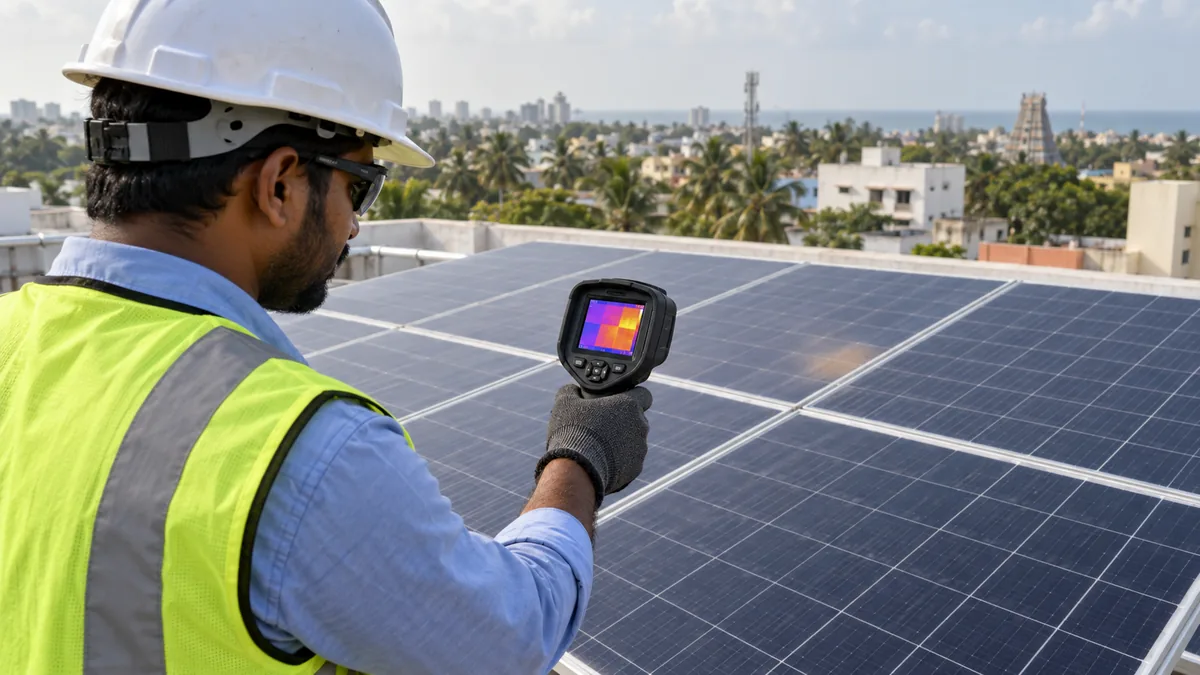
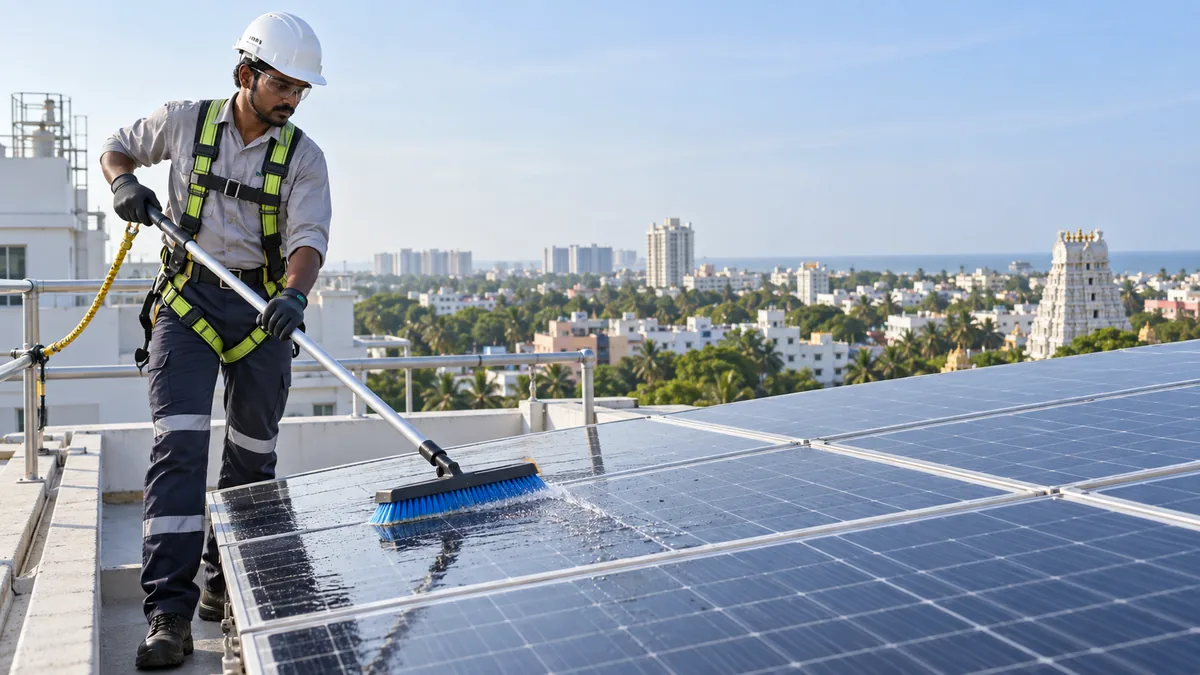
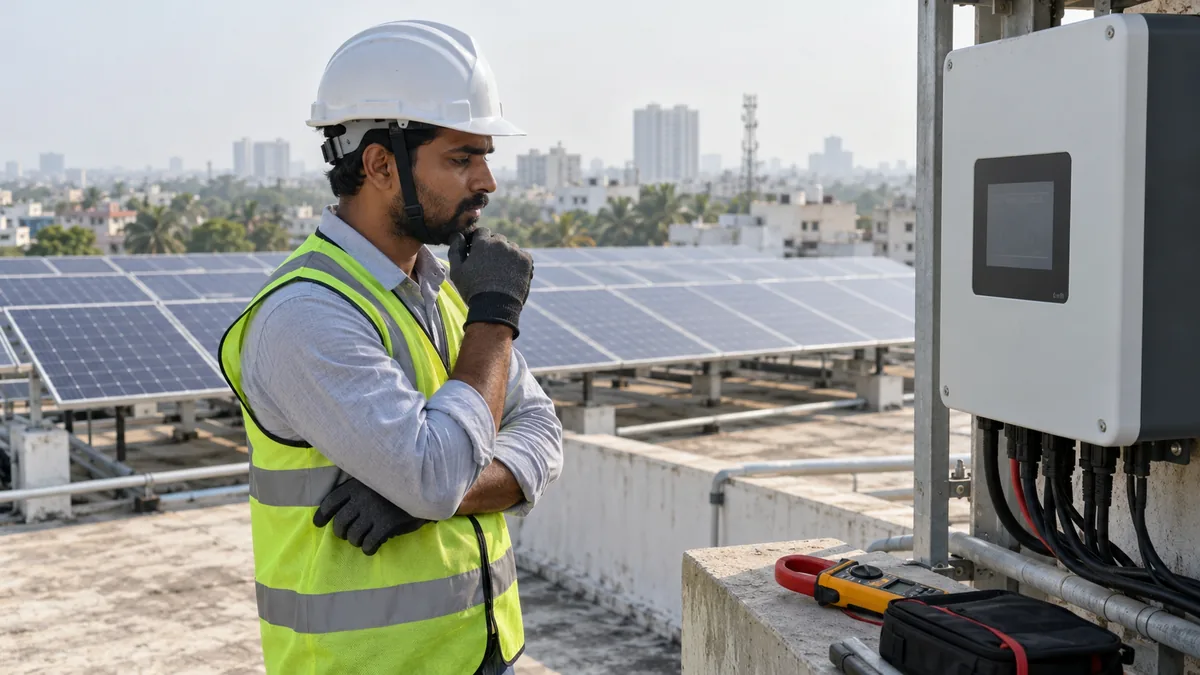
Unlike generators or other backup systems, solar panels have no moving parts, which means minimal servicing — mainly periodic panel cleaning and an annual technical check. This makes them ideal for societies that want a low-effort, high-reliability energy solution. Choosing the best solar solution for residential in India means selecting durable, weather-resistant panels (monocrystalline or bifacial modules are popular for residential rooftops) backed by a solid maintenance plan from an experienced provider.
5. Reduced Carbon Footprint and Energy Independence
Every unit of solar power generated reduces a society's dependence on coal-based grid electricity, cutting daytime generator use and supporting India's broader clean energy goals. For high-rise societies, this also means a measure of energy independence — smoother power availability for lifts and essential services even as grid tariffs and demand fluctuate.
Getting Started: Choosing the Right Solar EPC Partner
Because high-rise societies have shared rooftops, shadow-free space constraints, and multiple stakeholders to coordinate, the success of a project depends heavily on the partner you choose. A good solar EPC company for residential societies manages the entire lifecycle — site survey, system design, approvals, net metering, installation, and after-care — so residents and the managing committee don't have to navigate vendors or paperwork on their own.
If your society is ready to explore feasibility and costs, Viryasys Technologies offers end-to-end solar power solutions for residential and commercial rooftops, backed by over a decade of EPC experience. You can review their renewable energy EPC services to see how project design, procurement, and installation are handled, or get in touch directly to book a free solar consultation for your building.