A low generation figure can be frustrating, particularly when the electricity bill is higher than expected. However, one cloudy day or a single lower reading does not prove that the solar system has failed. Weather, seasonal sunlight and electricity usage can change even when the equipment is working correctly.
The right approach is to compare reliable generation data, identify whether the reduction affects the whole system or only part of it, and move from simple observations to professional electrical testing. This avoids unnecessary component replacement and reduces safety risks.
Why Is Solar Generation Low?
The most common causes of low solar generation include cloudy weather, dust or bird droppings, new shading, high module temperature, inverter faults, string or connector problems, grid interruptions, monitoring errors, poor original design and gradual equipment degradation.
First compare the current output with the same season and similar weather, check the monitoring platform and inverter status, and visually inspect the panels from a safe location. Do not open electrical enclosures, disconnect solar connectors or climb onto an unsafe roof. Persistent or unexplained loss requires testing by a qualified solar technician.
Before Troubleshooting, Confirm That Output Is Actually Low
Solar owners commonly compare today's output with the best day they remember. That is not a reliable baseline.
Use these comparisons instead:
- Compare the same month across different years.
- Compare days with similar weather and operating conditions.
- Check monthly generation, not only a few hourly readings.
- Review whether trees, buildings or rooftop equipment have changed.
- Confirm that the monitoring platform has complete data.
- Separate energy generation from the final electricity bill.
A higher bill can result from increased consumption, tariff changes, billing-period length or lower self-consumption even when the solar plant is healthy. The generation meter, inverter portal and import-export meter answer different questions.
Cause 1: Cloud Cover and Seasonal Variation
Solar panels produce electricity from available sunlight, not from heat. Cloudy weather, monsoon conditions, haze and shorter effective sunshine periods reduce energy reaching the array.
What to check:
- Compare several days rather than one day.
- Look at the shape of the generation curve.
- Compare with the same season from the previous year.
- Confirm whether nearby systems also recorded lower irradiation.
If output returns when clear weather returns, the system may be operating normally.
Cause 2: Dust, Leaves and Bird Droppings
Soiling blocks sunlight and can affect individual cells or complete modules. Uneven contamination is particularly important because it may create mismatch within a panel or string.
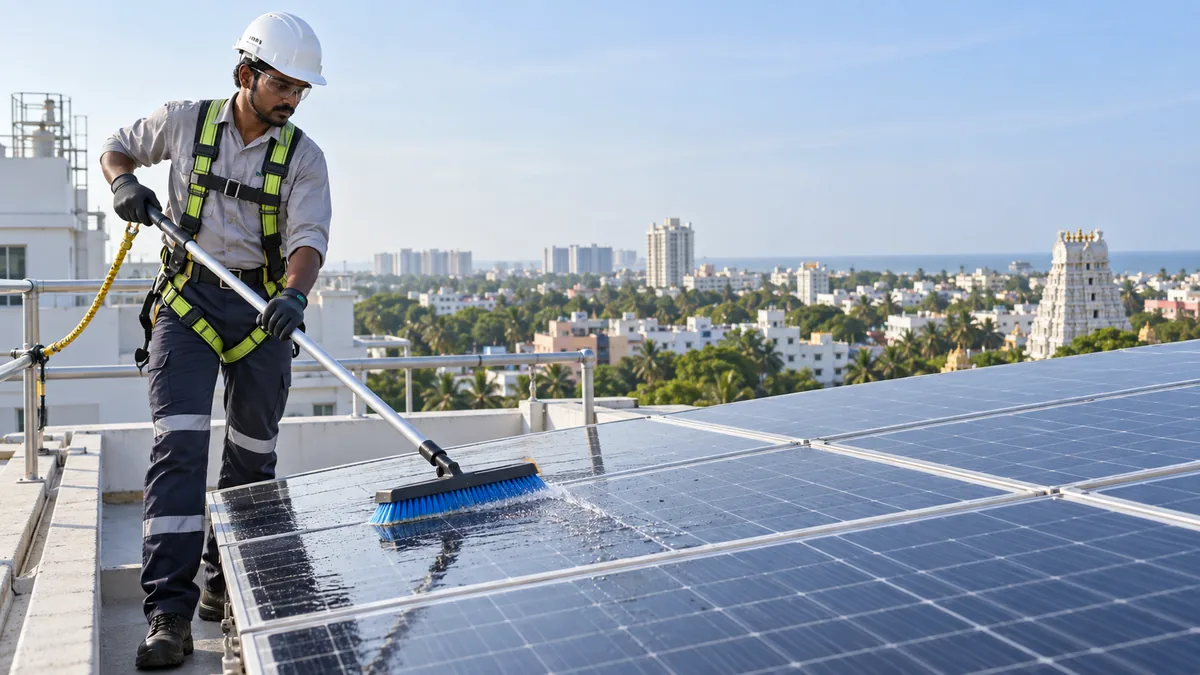
Inspect from ground level or through safe access. Look for dust films, leaves, nesting material, bird droppings or water stains. If cleaning is needed, follow the module manufacturer's instructions and the safe methods in the solar panel maintenance guide.
Avoid pressure washing, abrasive tools, harsh chemicals and walking on panels. Hard-water deposits can also remain after unsuitable cleaning.
Cause 3: New or Changing Shade
Shade conditions can change after installation. Trees grow, neighbouring buildings rise, antennas move, water tanks are replaced and new rooftop equipment is added.
A string inverter can show a wider drop when one section of a string is shaded. Systems with module-level monitoring may reveal the affected panel more clearly. Record when the reduction occurs because a repeatable morning or afternoon pattern often points to a shadow moving across the array.
Do not trim trees or relocate equipment without considering safety, ownership and local restrictions. A solar designer can model whether pruning, panel relocation or electrical reconfiguration is justified.
Cause 4: High Module Temperature
Bright, hot weather can produce less power than a cooler day with similar sunlight because photovoltaic voltage declines as cell temperature rises. The temperature coefficient in the module datasheet indicates the expected relationship under specified conditions.
Heat-related reduction is not necessarily permanent degradation. It may be a normal operating effect. Adequate rear ventilation, appropriate equipment selection and correct layout help manage temperature, but owners should not spray hot panels with cold water in an attempt to cool them.
The article on solar panel efficiency drop explains the difference between temporary losses and long-term degradation.
Cause 5: Inverter Fault or Derating
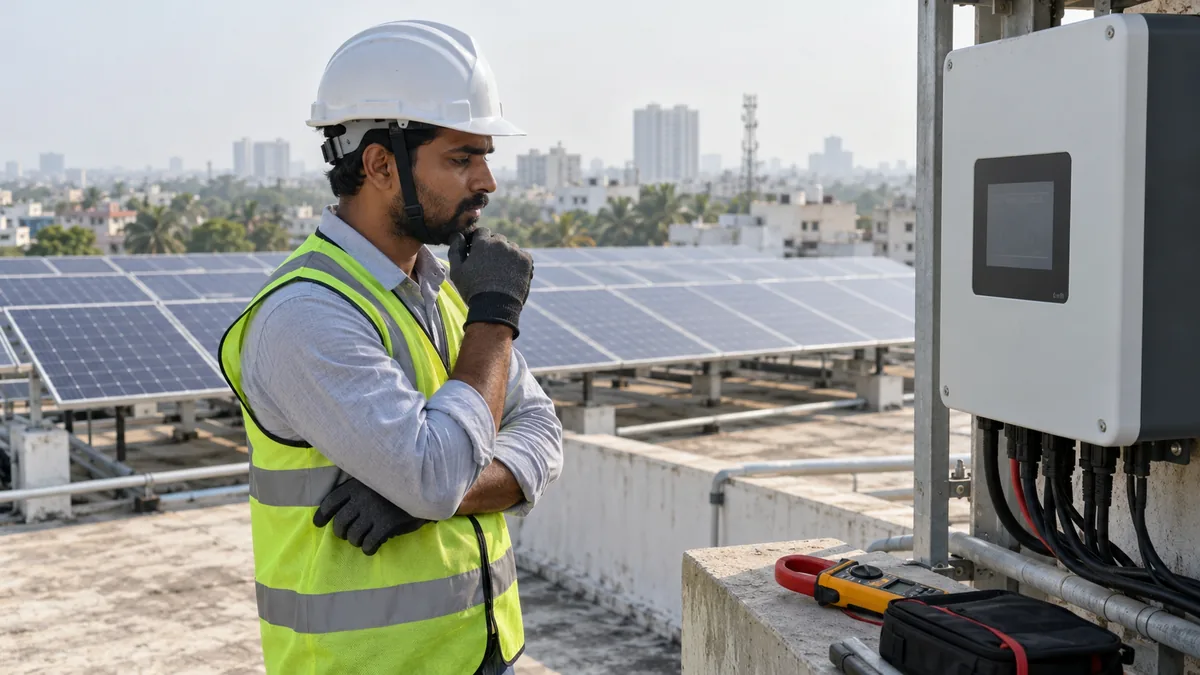
The inverter converts DC power from the array into usable AC power and records important operating information. An error, shutdown, overheating condition, failed fan, blocked ventilation path or internal component problem can reduce or stop generation.
Check:
- Inverter status light or display
- Error code and timestamp
- Monitoring portal alerts
- Whether the inverter is online
- Whether the fault clears and returns
- Whether ventilation openings are obstructed
Record the exact message and contact the installer or inverter support. Do not open the inverter enclosure unless you are authorised and qualified.
Cause 6: String, Connector or Cable Problem
If one string stops operating, total production may fall while the rest of the plant continues to generate. Possible causes include loose or damaged connectors, cable faults, blown protection devices, insulation problems, corrosion or incorrect commissioning.
These are professional-testing items. DC circuits can remain energised whenever the modules receive light. A technician may use string-current comparison, insulation-resistance testing, I-V curve tracing or thermal inspection to locate the problem.
Cause 7: Grid Voltage or Utility Interruption
A grid-connected inverter must operate within specified grid conditions. If voltage or frequency moves outside permitted limits, the inverter may disconnect for safety. Frequent high-voltage trips during sunny periods can reduce daily generation even if the solar array is healthy.
Check whether the monitoring log shows repeated grid-related faults at similar times. The installer should verify local voltage, cable sizing, inverter settings and the applicable utility process. Settings must not be changed outside approved limits simply to stop the error.
The on-grid, off-grid and hybrid solar guide explains why standard on-grid solar also shuts down during a power failure.
Cause 8: Monitoring or Communication Error
Sometimes the system is generating but the mobile app or web portal is missing data. A router change, lost Wi-Fi connection, data-logger fault, expired SIM or platform communication problem can create an apparent production gap.
Compare the portal with the inverter's local display and the available generation meter. If the inverter is producing normally but the portal is blank, resolve the communication issue before investigating the panels.
Do not use the electricity bill alone as proof of solar generation. The bill reflects imports, exports, self-consumption and tariff calculations, not necessarily the plant's total production.
Cause 9: Original Design or Installation Problem
A system may underperform from the beginning because of optimistic yield assumptions, unmodelled shade, wrong string configuration, unsuitable inverter loading, poor orientation, mismatched modules or incorrect sensor and meter setup.
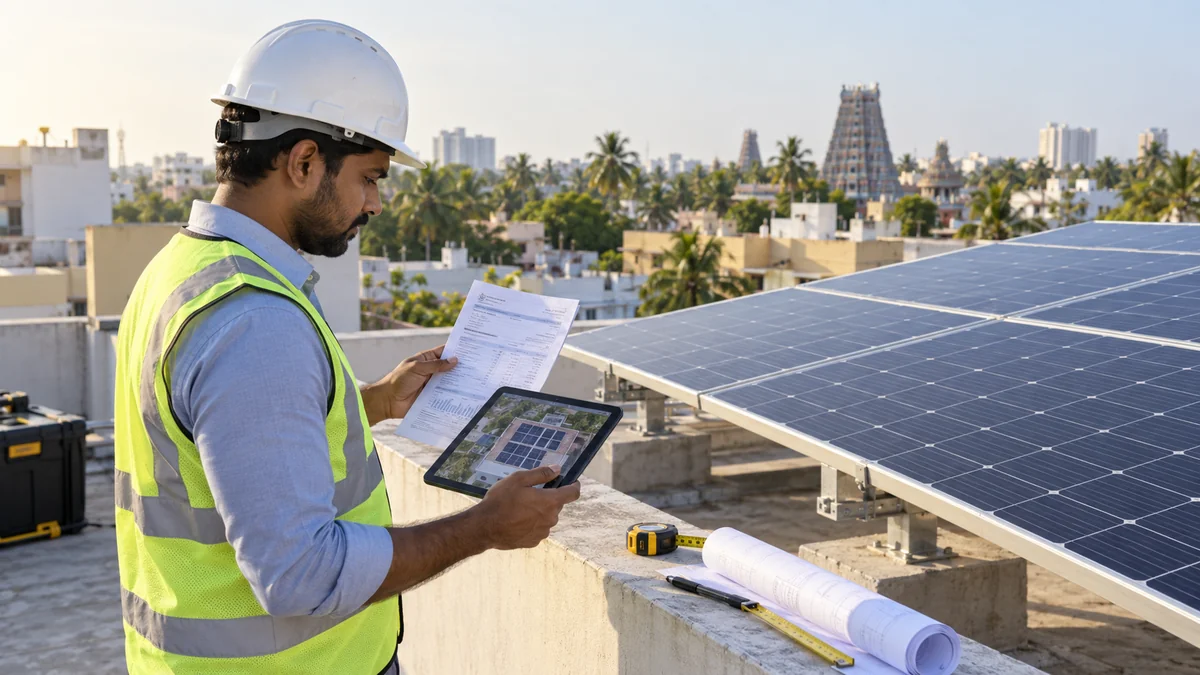
Compare actual monthly generation with the proposal, including the assumptions behind it. If the forecast did not account for roof direction, shadows, temperature, losses or seasonal weather, the gap may be in the estimate rather than a new failure.
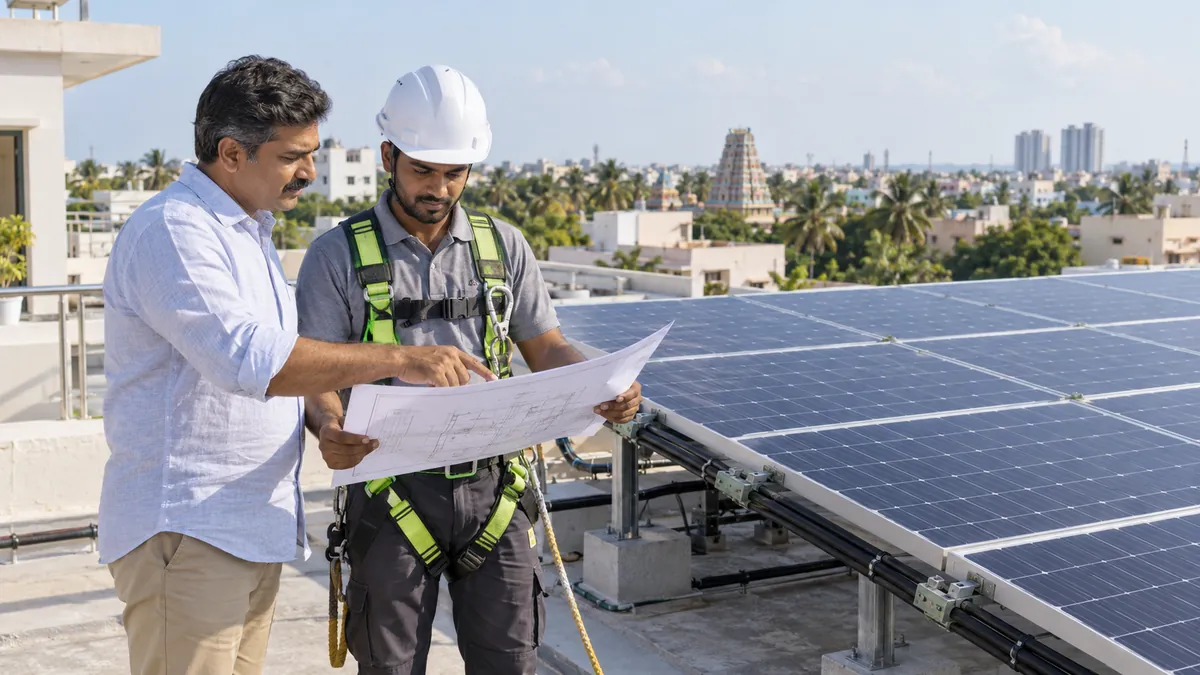
A professional review should examine the layout, single-line diagram, module and inverter datasheets, string design, monitoring configuration and commissioning records.
Cause 10: Ageing or Abnormal Degradation
Solar modules normally lose a small amount of performance over time. This gradual change should not cause a sudden major drop from one week to the next.
Abnormal loss may result from hotspots, moisture ingress, delamination, microcracks, potential-induced degradation or other component problems. Compare the measured behaviour with the manufacturer's performance warranty and obtain professional test evidence before starting a claim.
A Safe Five-Step Diagnostic Sequence
- Check weather and compare similar days or months.
- Confirm the monitoring data is complete.
- Record inverter status and error codes.
- Inspect panels and surroundings visually from a safe position.
- Request professional testing if the loss is persistent, sudden or unexplained.
Keep screenshots, bills, generation reports, fault codes and maintenance records. A clear timeline helps the technician separate an environmental issue from an electrical or warranty problem.
When Should You Call a Solar Technician?
Arrange professional inspection when:
- The inverter shows a persistent fault or isolation error.
- One string or group of panels is consistently offline.
- There is visible cable, connector, glass or mounting damage.
- Output drops suddenly and does not recover.
- Grid errors occur repeatedly.
- There is a burning smell, unusual sound, heat damage or water ingress.
- Generation remains substantially below a comparable baseline after cleaning and weather checks.
Switch off equipment only through the documented shutdown procedure if it is safe to do so. For any suspected fire or electrical emergency, keep away and contact the appropriate emergency and technical support services.
How Viryasys Technologies Approaches Performance Diagnosis
A useful inspection begins with data, not assumptions. The technician should compare expected and actual performance, review the inverter and monitoring history, inspect the array and protection system, and test only the areas indicated by the evidence.
Property owners seeking design or performance support can consult a Solar Company in Chennai that can connect system data with rooftop and electrical conditions.
Conclusion
Low solar generation does not always mean damaged panels. Weather, dirt, new shade, heat, grid conditions and monitoring gaps are common explanations, while inverter, string and module faults require structured testing.
Start with comparable data and safe observations. When the loss is persistent or sudden, professional diagnosis is more reliable than repeatedly cleaning panels or replacing parts without evidence.